Oxygen Starved: How America's Rivers Are Choking—and the Science-Backed Path to Recovery
Imagine a river that looks perfectly normal from the surface—its water running clear, its banks lined with cottonwood and willow—yet beneath the waterline, almost nothing lives. No crayfish picking through the gravel. No smallmouth bass holding in the current. No mayfly larvae clinging to submerged stones. Just sediment, bacteria, and an eerie, suffocating stillness.
This is the reality of a hypoxic zone, and these biological dead zones are spreading through American waterways with alarming speed. Understanding how they form, where they are most severe, and what we can do to reverse them is not merely an academic exercise. It is one of the most urgent conservation challenges of our time.
What Is a Hypoxic Zone, Exactly?
Dissolve oxygen (DO) concentration is the fundamental measure of a river's biological vitality. Healthy freshwater systems typically maintain DO levels above 6 milligrams per liter—enough to sustain fish, macroinvertebrates, and the complex food webs that depend on them. When concentrations fall below 2 mg/L, conditions become hypoxic: most aquatic life either flees or perishes. Below 0.5 mg/L, the zone is considered anoxic—essentially devoid of oxygen entirely.
Hypoxia develops when the biological demand for oxygen outstrips the water's ability to replenish it. The primary driver of this imbalance is excess nutrient loading, particularly nitrogen and phosphorus. When these nutrients—delivered by agricultural runoff, municipal wastewater, and urban stormwater—flood a river system, they fuel explosive growth of algae and cyanobacteria. When those blooms die and decompose, microbial activity consumes dissolved oxygen at rates the river simply cannot sustain.
The result is a cascade of ecological collapse that unfolds largely out of public view.
The Mississippi River: America's Most Documented Crisis
No discussion of freshwater hypoxia in the United States can begin anywhere other than the Mississippi River Basin. Draining approximately 41 percent of the continental United States, the Mississippi and its tributaries carry the agricultural legacy of the Corn Belt directly into the Gulf of Mexico—creating what scientists now measure as one of the largest seasonal dead zones on Earth.
But the problem does not begin at the river's mouth. Researchers with the U.S. Geological Survey have documented persistent hypoxic conditions throughout the lower Mississippi and its major tributaries, including the Missouri and Ohio Rivers, particularly during late summer when water temperatures peak and flow velocities slow. The Iowa Nutrient Reduction Strategy, a state-level initiative launched in 2013, acknowledged that Iowa alone contributes roughly 25 percent of the nitrate load entering the Mississippi—a figure that underscores just how concentrated the source of this contamination truly is.
Agricultural tile drainage systems, which efficiently channel subsurface water from fields into streams, are particularly effective at delivering nitrate directly into river networks. Unlike surface runoff, which filters through riparian vegetation, tile drainage bypasses the land's natural filtration capacity entirely. The convenience that makes modern row-crop agriculture economically viable simultaneously accelerates the destruction of the waterways downstream.
Beyond the Mississippi: Regional Patterns of Concern
While the Mississippi corridor receives the most scientific attention, hypoxic conditions are not geographically isolated. The Chesapeake Bay watershed—fed by the Susquehanna, Potomac, and James Rivers—experiences annual summer hypoxia driven by nutrient runoff from Pennsylvania and Virginia agriculture, as well as wastewater treatment plant discharges throughout the region.
In the Pacific Northwest, warmer water temperatures driven by climate change are compressing the oxygen-rich zones that salmon and steelhead depend upon for cold-water refuge. In the Southeast, algal blooms fueled by poultry farm runoff have periodically devastated aquatic communities in rivers across North Carolina and Georgia.
The geographic diversity of this problem is, in itself, a critical message: hypoxia is not a regional anomaly. It is a systemic consequence of how the United States manages nutrients, wastewater, and land use at a national scale.
Industrial Discharge and Urban Stormwater: The Underappreciated Contributors
While agriculture dominates the nutrient loading conversation, industrial discharge and urban stormwater deserve far greater scrutiny than they typically receive in mainstream environmental coverage.
Combined sewer overflow (CSO) events—in which aging municipal sewer infrastructure releases a mixture of raw sewage and stormwater directly into rivers during heavy rain—remain distressingly common in older American cities. The Environmental Protection Agency estimates that approximately 700 communities across the country operate combined sewer systems, and that CSO events discharge billions of gallons of untreated or partially treated waste into waterways each year. Cities including Chicago, Detroit, and Washington, D.C., have invested substantially in infrastructure improvements, but progress remains uneven and chronically underfunded.
Industrial facilities permitted under the Clean Water Act's National Pollutant Discharge Elimination System (NPDES) discharge nutrients, biological oxygen demand, and other oxygen-depleting substances into rivers at volumes that, in aggregate, rival agricultural sources in some watersheds. Enforcement of NPDES permits has weakened considerably over the past two decades, a pattern documented repeatedly by the EPA's own Office of Inspector General.
What Recovery Actually Looks Like
The science of river recovery from hypoxia is well established, and it offers genuine reason for optimism—provided that interventions are implemented at the necessary scale.
Wetland restoration and riparian buffers represent the most cost-effective tools available. Natural wetlands function as biological filters, removing nitrogen and phosphorus from water before it reaches river channels. Studies published in the journal Ecological Engineering consistently demonstrate that restoring even modest areas of wetland within agricultural watersheds can reduce nitrate loading by 30 to 70 percent. Riparian buffer strips—corridors of native vegetation along stream banks—provide complementary filtration while stabilizing streambanks and providing habitat.
Nutrient management planning at the farm level, supported by technical assistance from the USDA's Natural Resources Conservation Service, can substantially reduce the volume of fertilizer that escapes fields in the first place. Precision agriculture technologies now allow farmers to apply nitrogen at rates calibrated to actual crop need rather than precautionary excess—reducing input costs while cutting downstream pollution.
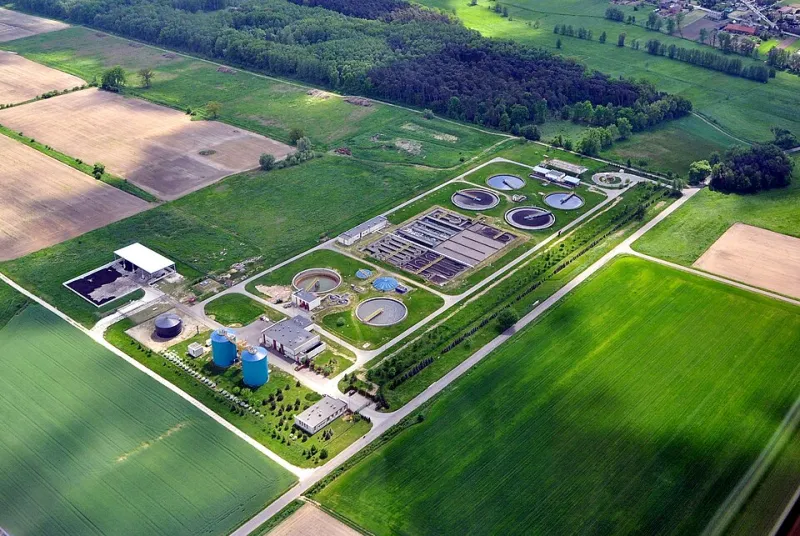
Upgraded wastewater treatment infrastructure, funded through mechanisms such as the Clean Water State Revolving Fund, is essential for addressing the municipal and industrial contributors to hypoxia. The Bipartisan Infrastructure Law of 2021 allocated $11.7 billion for water infrastructure improvements, but advocates and scientists consistently note that this investment, while meaningful, falls well short of the estimated need.
Stronger federal nutrient standards remain the most contested and most consequential policy lever available. The EPA has the legal authority under the Clean Water Act to establish numeric nutrient criteria for rivers and streams, yet has deferred repeatedly to state-level discretion—a posture that has produced widely inconsistent standards and inadequate protection in the most heavily impacted states.
The Role of Informed Communities
Policy change at the federal and state level rarely precedes public demand. Communities living along hypoxia-affected rivers have a direct stake in reversing this trend—not only for ecological reasons, but because the same nutrient pollution that depletes oxygen in rivers also threatens drinking water quality and recreational economies.
Locally organized watershed councils, river monitoring volunteer programs, and public comment campaigns targeting NPDES permit renewals are all mechanisms through which engaged citizens have historically driven meaningful improvements in water quality. Organizations like the Clean River Alliance exist precisely to support and amplify that civic engagement.
America's rivers are not beyond saving. The science is clear, the tools are available, and the communities most affected are increasingly vocal. What the dead zones demand of us now is not more research or further deliberation—it is action, sustained and proportionate to the scale of the crisis.